

Search results
- Home
- Results for phrase:
Search Results For ''

Costa Rica Crowns a New Era as Fernández Takes Power0
At San José’s National Stadium, Laura Fernández became Costa Rica’s fiftieth president and second woman to hold the office, turning a carefully staged transfer of power into a regional signal about democracy, continuity, ambition, and the country’s conservative turn now.
READ MORE
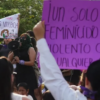
Peru’s Femicide Fight Turns Into a Battle Over Legal Memory0
In Lima, a proposal to erase femicide from Peru’s penal code has turned a legal debate into a national warning, as grieving families, feminist groups, and human rights advocates say the change would reward killers and silence victims once again.
READ MORE
Colombia’s Newsrooms Face Their Reckoning as Women Break the Silence0
A new report on Colombian journalism describes more than 260 testimonies of harassment, power, and silence, exposing how women in media learned to survive newsrooms that promised careers while quietly teaching fear, obedience, and resignation across generations for years.
READ MORE

Latin America’s Far Right Turns Feminism Into Its Favorite Enemy0
Across Latin America, far-right movements are using anti-feminist panic to reorganize politics, weaken equality institutions, attack sex education, and redirect social anger away from austerity, precarious work, violence, and the deep failures of neoliberal democracy.
READ MORE
Ecuador Midwives Turn Birth into a Quiet Fight for Sovereignty0
In Cotacachi, ancestral midwives are defending home birth as Indigenous knowledge, bodily autonomy, and political resistance, challenging Ecuador’s medical system while training a new generation to protect women from obstetric violence and cultural erasure.
READ MORE
Colombian River Daughter Turns Fracking Fight Into a Regional Warning0
- WE KNOW, Environment
- abril 21, 2026
Yuvelis Morales Blanco’s victory against fracking in Colombia is more than one activist’s triumph. It captures a deeper Latin American struggle over rivers, oil, community survival, and the old habit of calling extraction ‘progress’ even after water, fish, and people begin to disappear.
READ MORE






About The Woman Post
Digital media with focus on content with analysis and opinion of interest to everyone around the international scene of Women. #Thewomanpost.
Awards: Transformando País
Latest Posts


Get In Touch With Us

© Copyright The Woman Post - Globsa Company. Click here to Subscribe