

WE KNOW
- Home
- WE KNOW
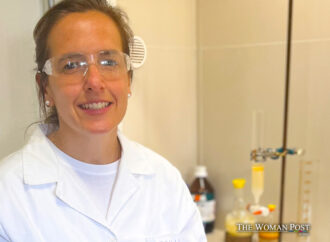
Uruguayan Chemist Wins Prestigious Award for Advancing Women in Science0
Cecilia Saiz, a Uruguayan chemist, was honored with the ‘For Women in Science’ award by L’Oréal and UNESCO for her innovative work in crop parasite elimination, spotlighting the critical role of women in scientific breakthroughs and environmental conservation.
READ MORE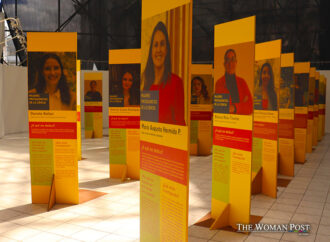
Ecuador’s Women in Science Celebrated Through a Traveling Exhibition Celebrating Their Groundbreaking Contributions0
A traveling exhibition, “Women Leading Science,” at the Pontifical Catholic University of Ecuador, highlights the pivotal role of Ecuadorian women in science, showcasing their work and achievements to inspire future generations.
READ MORE
Argentina Ends of the Ministry of Women, Gender, and Diversity0
- WE KNOW, Gender Equality
- December 28, 2023
Argentina’s government has officially established the Subsecretariat for Gender-Based Violence Protection, replacing the former Ministry of Women, Gender, and Diversity. This restructuring, part of President Javier Milei’s public spending reduction plan, has stirred debates on gender equality and constitutional implications.
READ MORE
Javier Milei’s Enigmatic Sister and the Influential Women Behind Argentina’s New President0
In an astonishing political upset, right-wing populist Javier Milei emerged victorious in Argentina’s presidential runoff election with a historic 55.7% of the vote. As he celebrated his triumph, he attributed his success to an enigmatic figure known as “The boss” – his sister, Karina Milei. This behind-the-scenes powerhouse is just one of the remarkable women who will play pivotal roles in the administration of South America’s second-largest economy.
READ MORE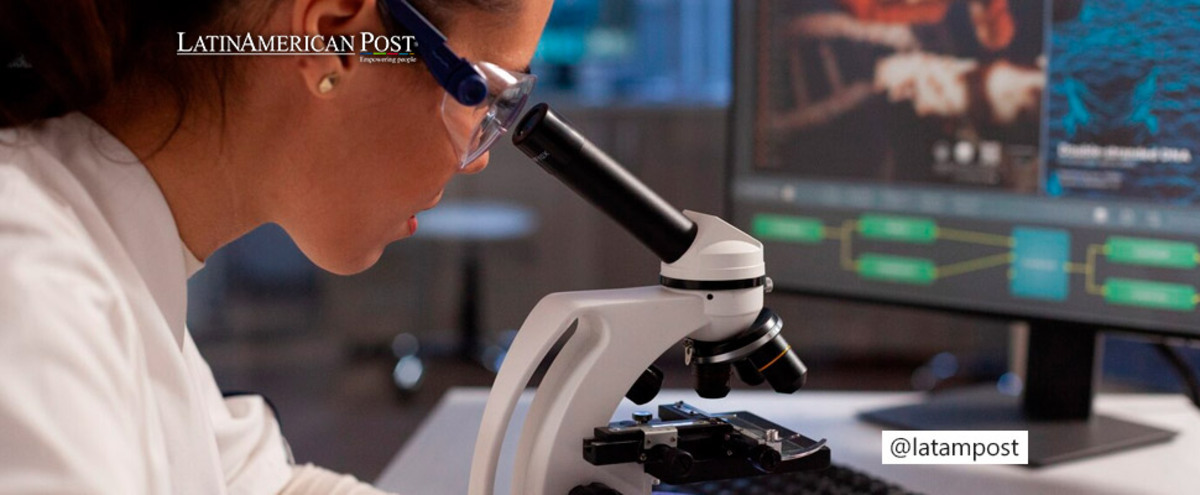
Less than 5% of Global Clinical Research is Done in Latin America0
Global clinical trial distribution Less than 5% of clinical research worldwide is done in Latin America and only a minimal part is carried out on women, so it is key that there are more opportunities in this field in the region and, above all, with a gender focus. experts on health issues said this Wednesday.
READ MORE

Leonor Espinosa, The Emotional And Soulful Cuisine Of a Colombian Social Activist0
Colombian chef Leonor Espinosa has always given cooking a dimension that surpasses mere culinary interest.
READ MORE
Columbus Day?: Three Indigenous Women Explain the Disputed Narrative About October 120
Colombus Day is increasingly controversial. Reflections on colonization and indigenous genocide have changed this date. Here, three indigenous women explain this disputed narrative.
READ MORE
Claudia Goldin, Nobel Prize In Economics 2023: What Can Latin America Learn?0
- Environment, WE KNOW
- October 9, 2023
The Royal Swedish Academy of Sciences announced this morning the Nobel Prize in economics for the American Claudia Goldin, who has dedicated her life to researching the role of women at work. What can Latin America learn from her research?
READ MORE
Exceptional Regime in El Salvador: This Is How State Violence Against Women Has Intensified0
The National Health Forum said this week that state violence against Salvadoran women has intensified within the framework of the emergency regime. This happens after the rape of a girl by a group of soldiers in the center of the country.
READ MORE
Profile: Who Is Narges Mohammadi, Nobel Peace Prize Winner?0
Narges Mohammadi, journalist and activist for women’s rights in Iran, won the Nobel Peace Prize today.
READ MORE






About The Woman Post
Digital media with focus on content with analysis and opinion of interest to everyone around the international scene of Women. #Thewomanpost.
Awards: Transformando País
Latest Posts






Get In Touch With Us

© Copyright The Woman Post - Globsa Company. Click here to Subscribe